Capabilities

The pipeline, named plainly

Everything below runs locally on Windows. Where a step writes something to disk, it says so — that record is the point.

M16 · Eagle Nebula · SHO

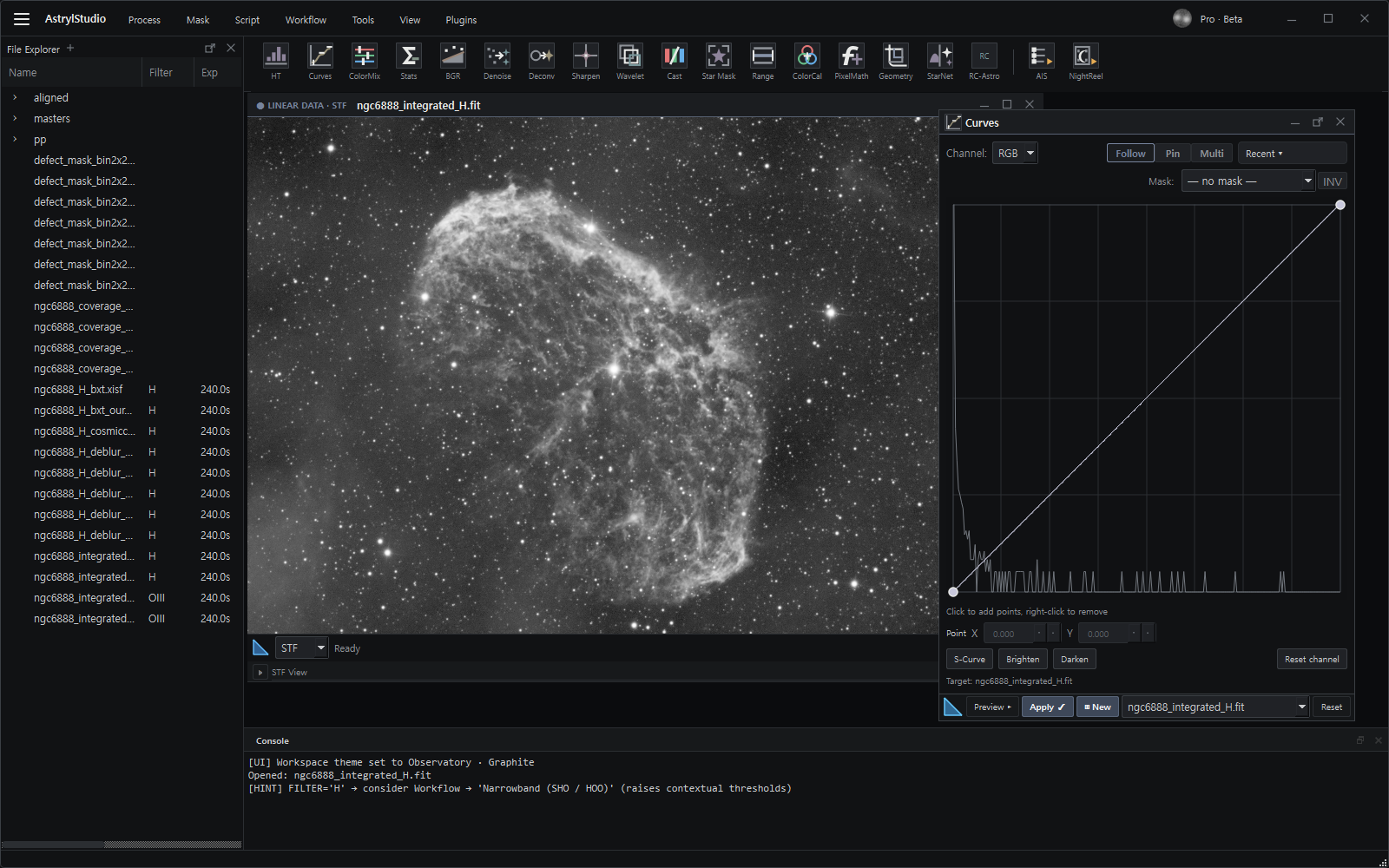
The AstrylStudio workspace with process tools docked around an open frame
The workspace. Processes are dragged onto an open image, PixInsight-style.

Calibration

Masters, then lights

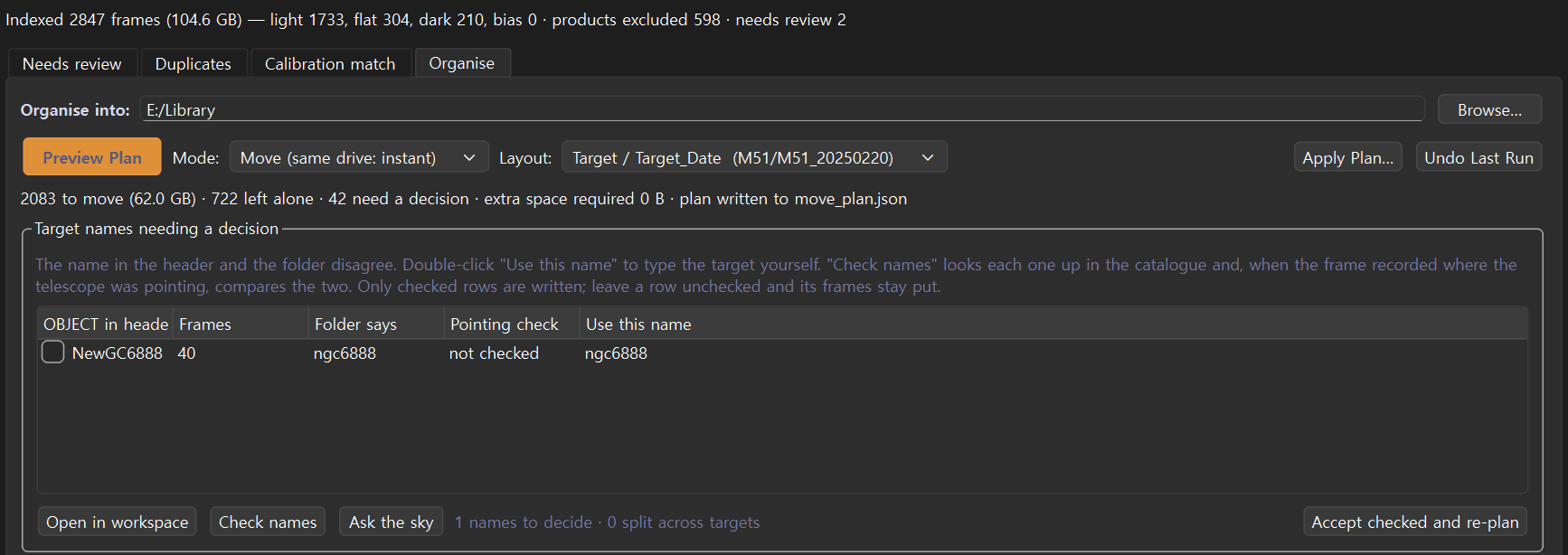
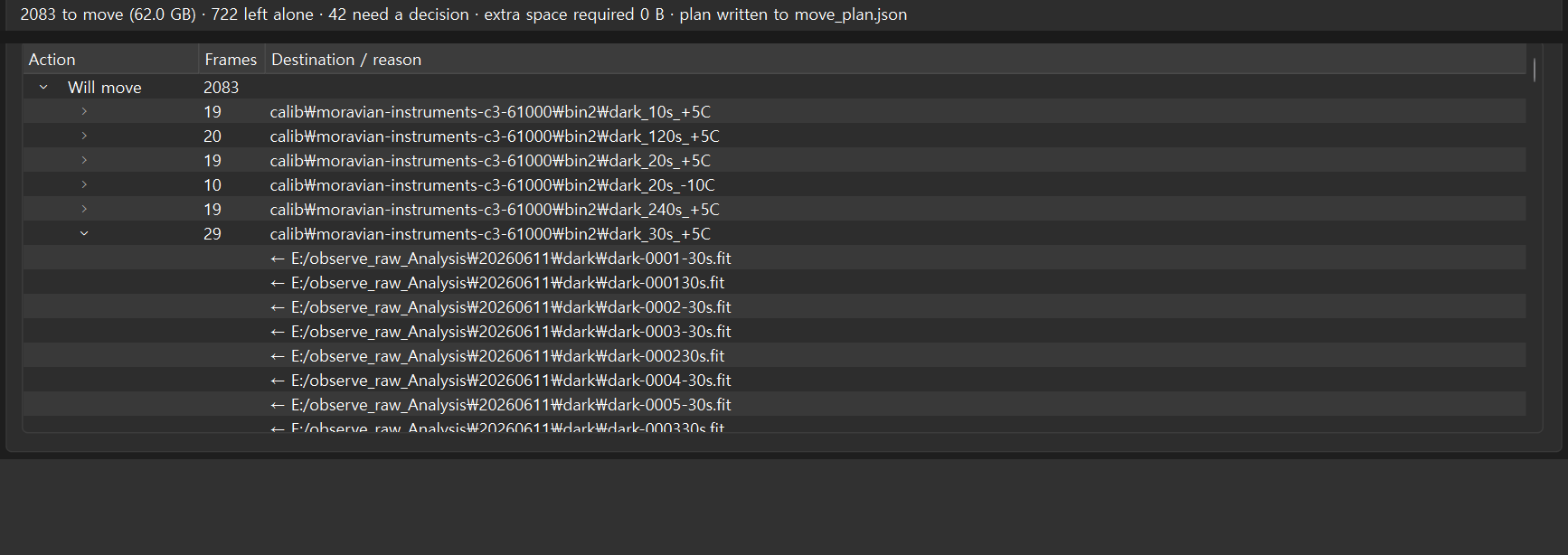
Frames are grouped by filter, binning and exposure from their FITS headers. Master bias, dark and flat are built with median or sigma-clipped mean stacking, with dark-flat pairing where you shot them.

Each light is then bias-subtracted, dark-subtracted with exposure scaling, flat-divided, cosmetically corrected and given a pedestal. One-shot-colour sensors are handled from the BAYERPAT header: defect correction is CFA-aware, so a hot pixel is replaced from same-colour neighbours rather than the wrong ones.

Request beta access
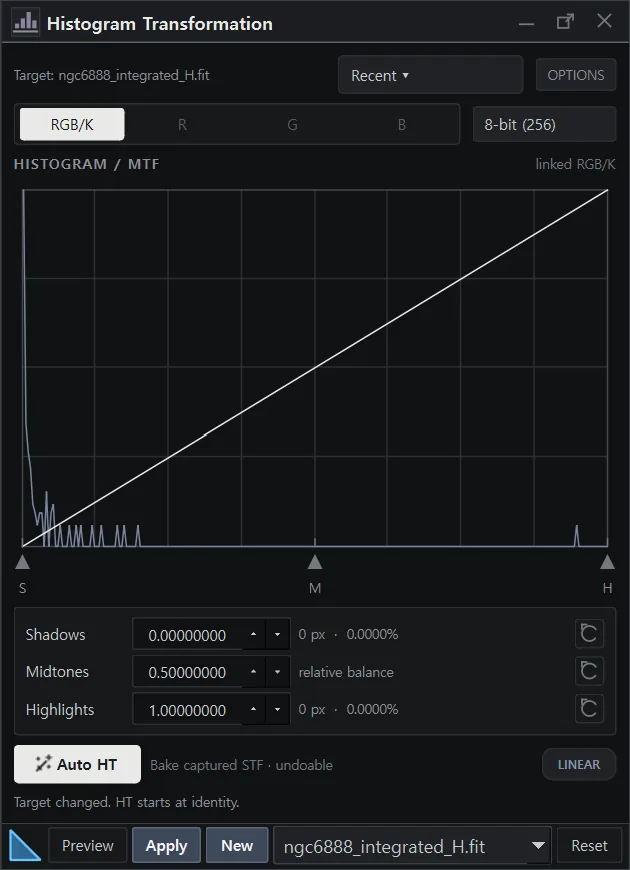
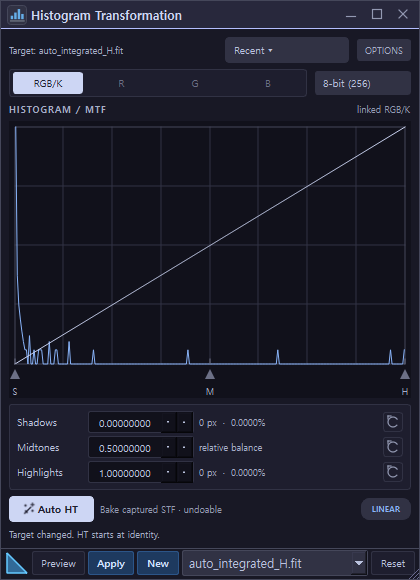
Histogram transformation panel with shadows, midtones and highlights controls
Histogram Transformation — one of the post-processing modules.

Registration and integration

Aligned, weighted, stacked

Star-based alignment resamples with Lanczos-3 and reports the residual for every frame. Drizzle integration is available when your sampling supports it. Colour frames are warped with a single transform across all three channels.

Integration weights frames on measured quality, normalizes background and scale locally, and rejects outliers through a single shared engine — Winsorized sigma, percentile, linear-fit or ESD. A guard watches the finished stack and warns in the log when it sees the dark-pixel signature of a feathering or rejection fault.

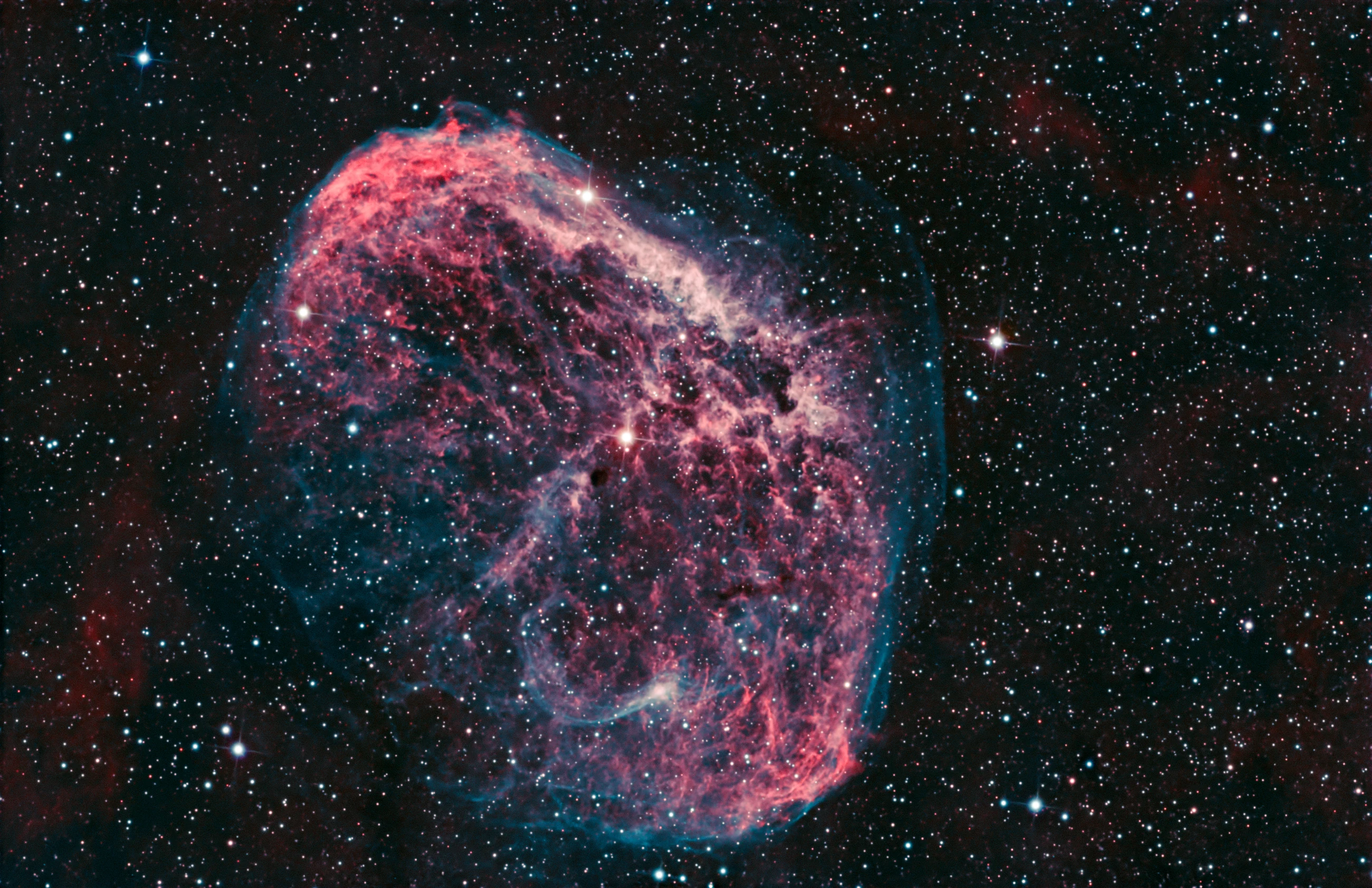
NGC 6888, the Crescent Nebula, in an HOO palette, captured by the developer
NGC 6888 · HOO · captured and processed by the developer.

Plate solving

Solved offline, on your machine

The solver is built in. It detects stars, selects anchors, cone-queries a local Gaia catalogue and fits a TAN or SIP solution with proper-motion correction — then writes the WCS into the FITS header.

There is no astrometry.net call and no solve-field subprocess. Once the catalogue is on disk, solving needs no network at all. A solution is only accepted after an independent cross-match check; when that check cannot be made, it fails rather than guessing.

At a glance
PlatformWindows 10 / 11, 64-bit. 16 GB RAM is a sensible floor for full-frame stacks. No GPU required.
ReadsFITS, XISF. One-shot-colour raw frames are debayered from the BAYERPAT header.
WritesFITS and XISF as the working format. Export produces TIFF, PNG or JPEG with the displayed stretch baked into the pixels.
CalibrationMaster bias / dark / flat, dark-flat pairing, exposure-scaled dark subtraction, CFA-aware cosmetic correction, pedestal.
RegistrationStar-based alignment, Lanczos-3 resampling, optional drizzle, per-frame residuals.
RejectionSigma clip, percentile, Winsorized sigma, linear fit, ESD — one shared implementation for master frames and light integration alike.
Plate solvingInternal, offline, against a local Gaia catalogue. WCS written to the header.
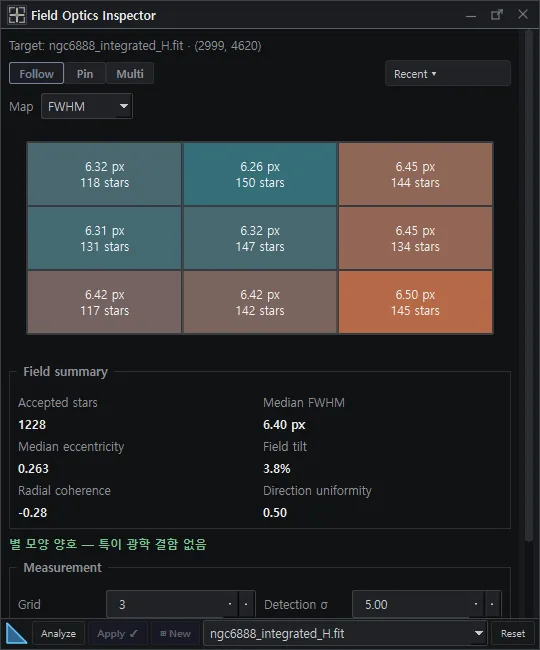
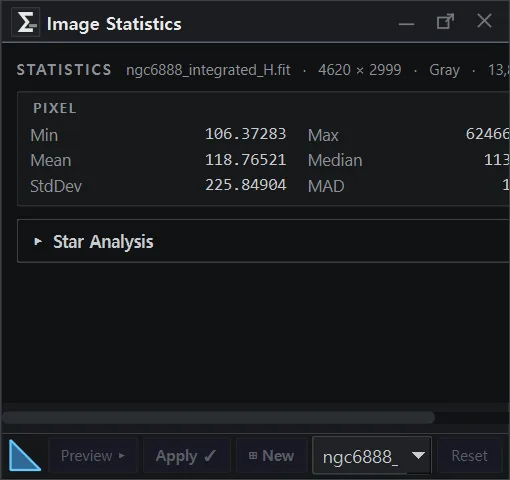
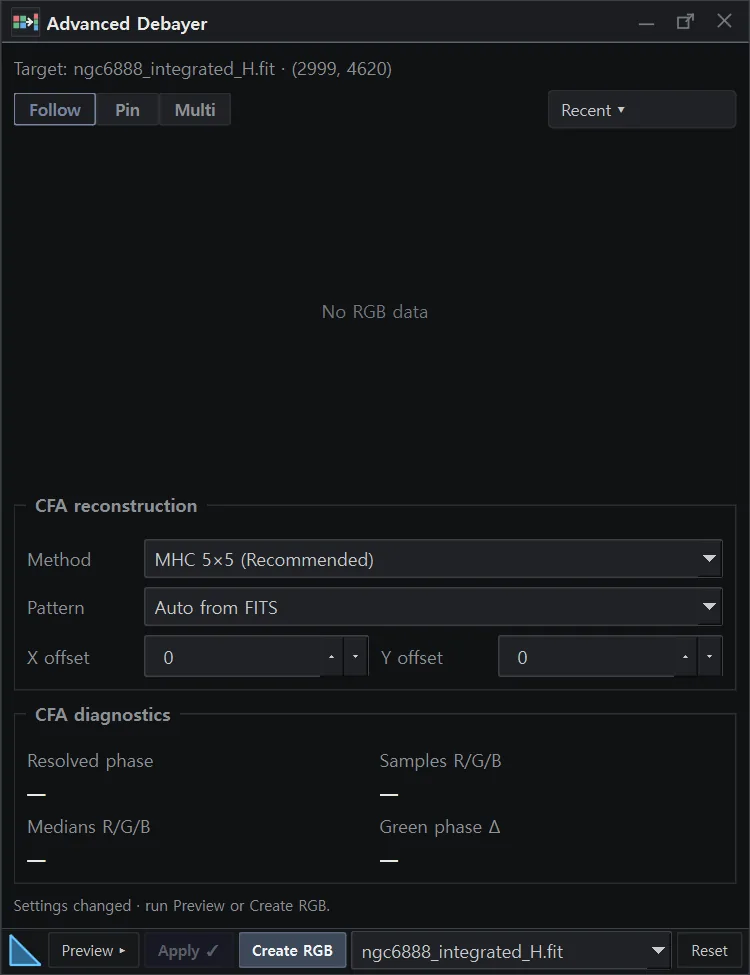
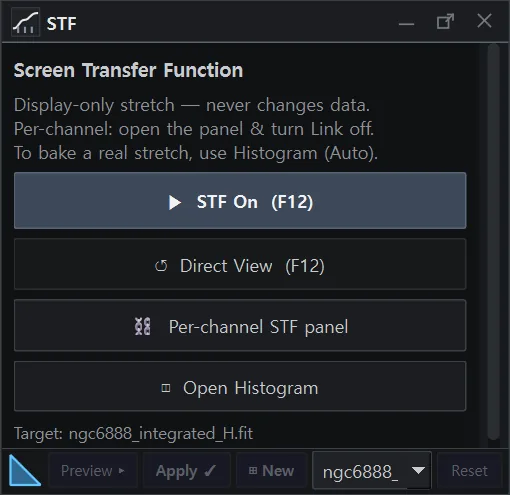
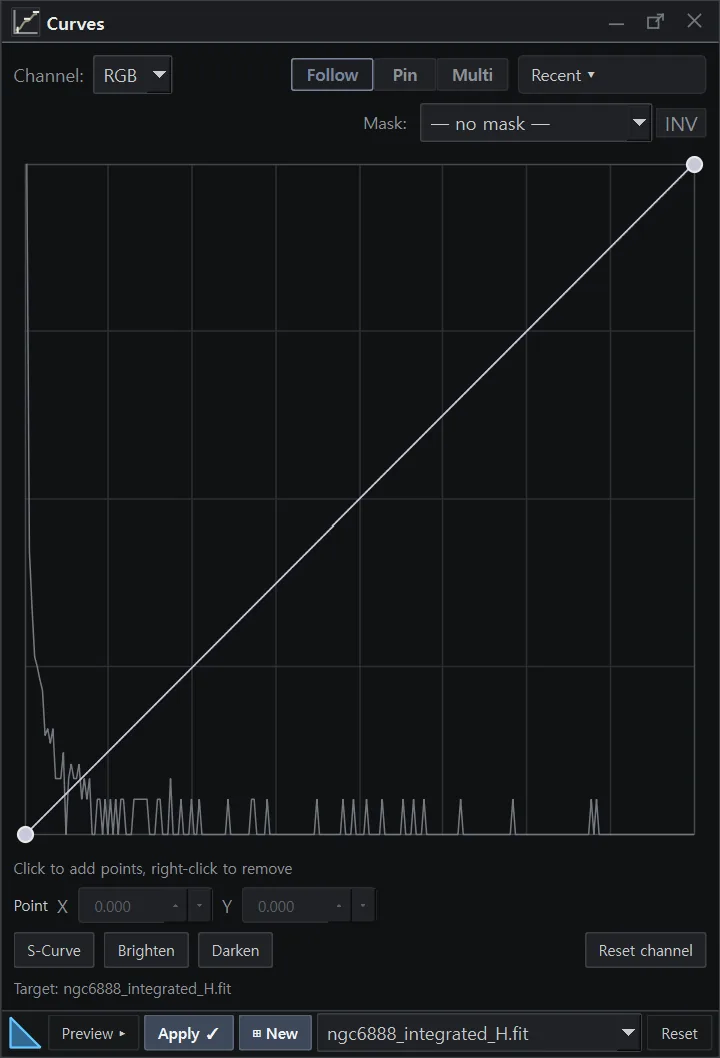
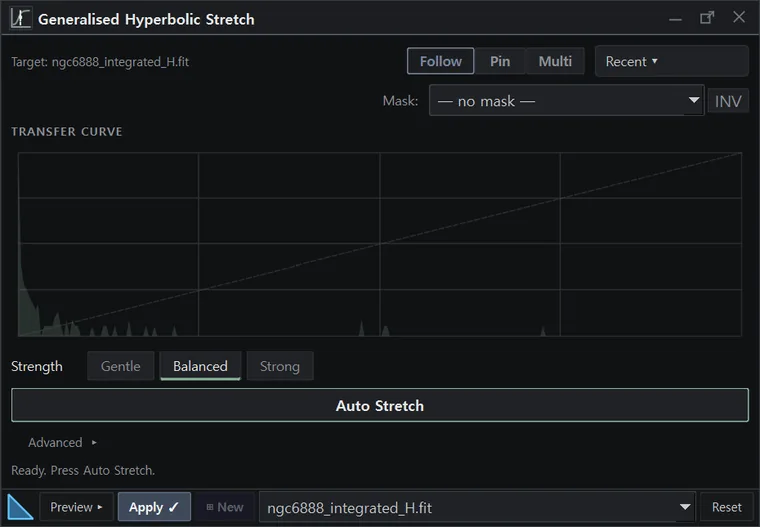
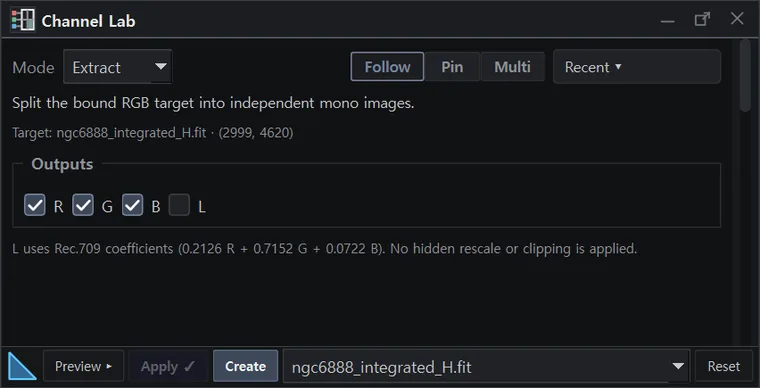
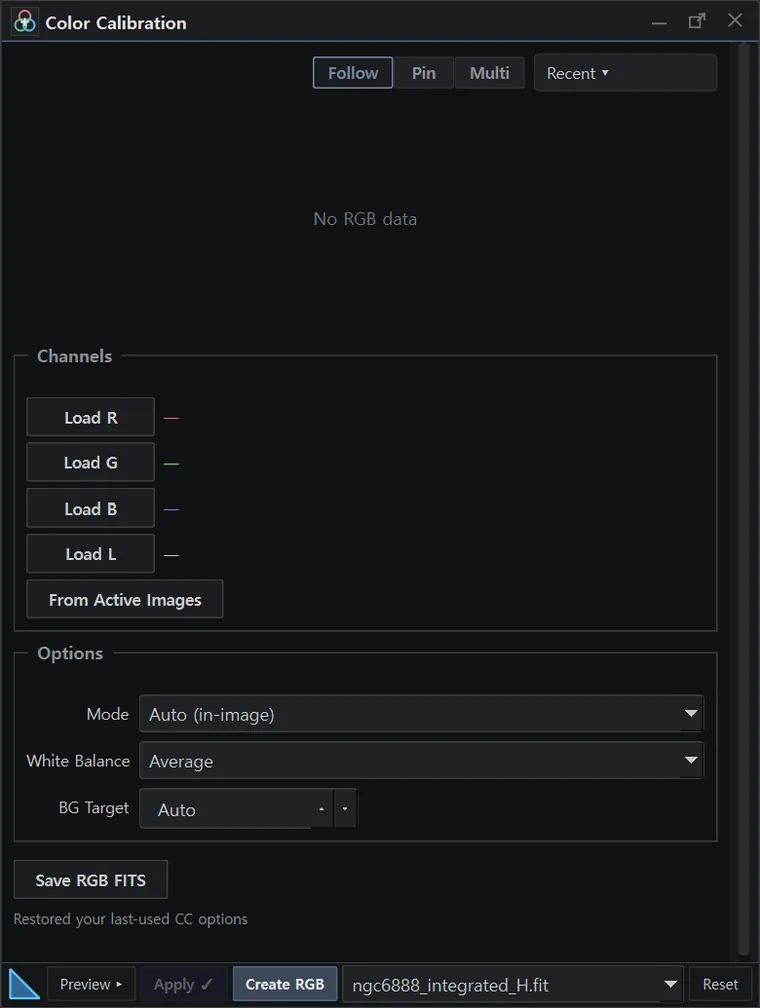
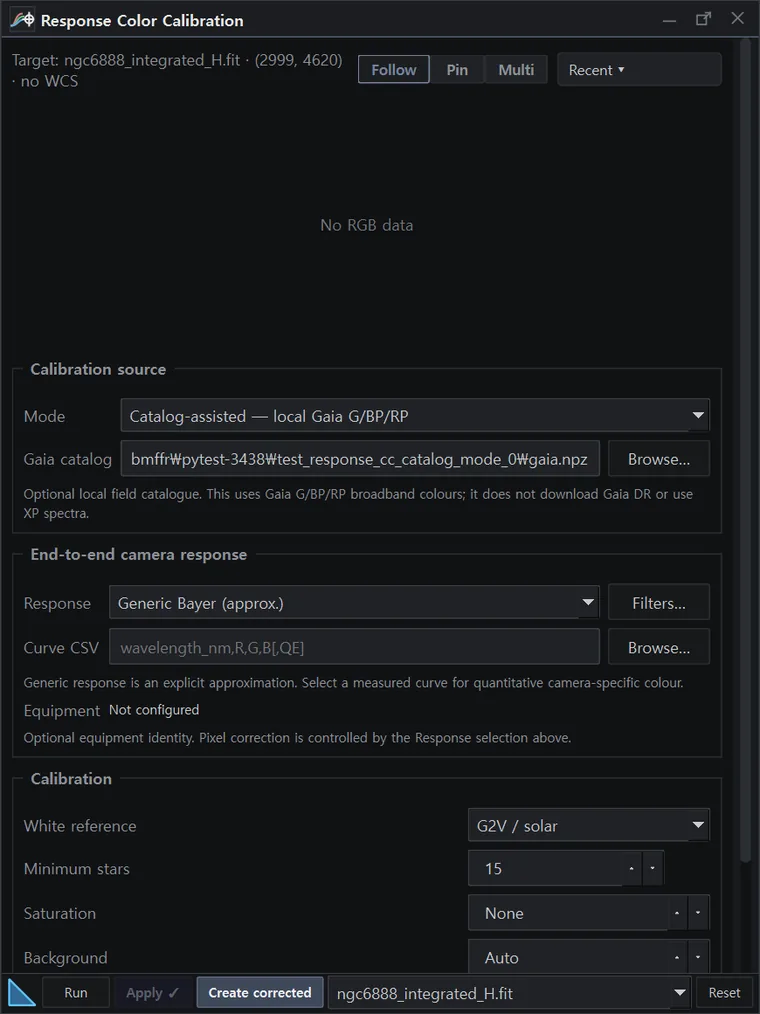
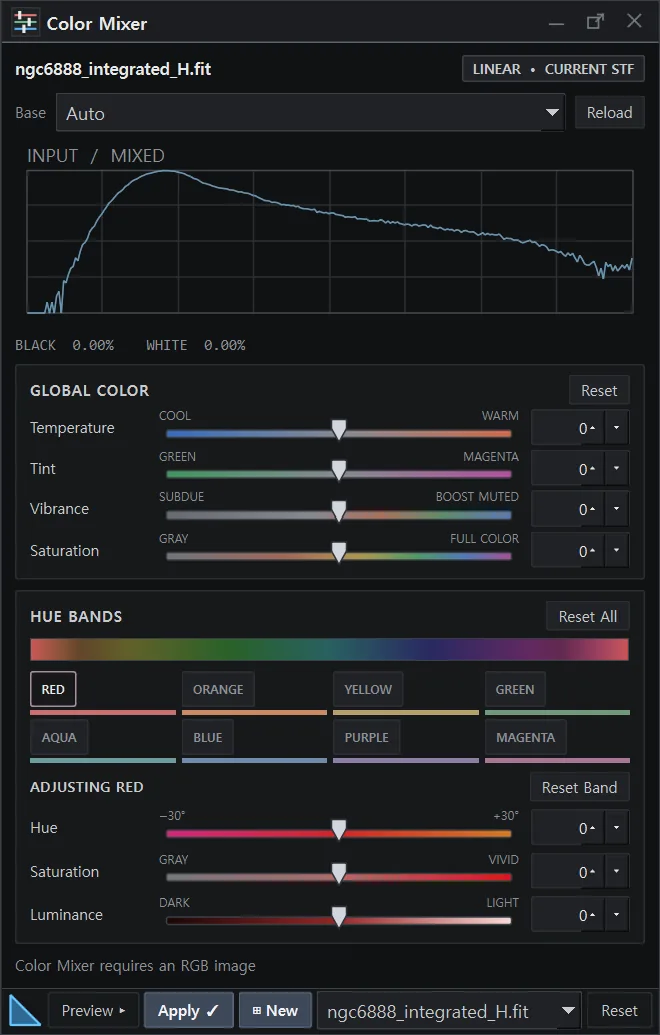
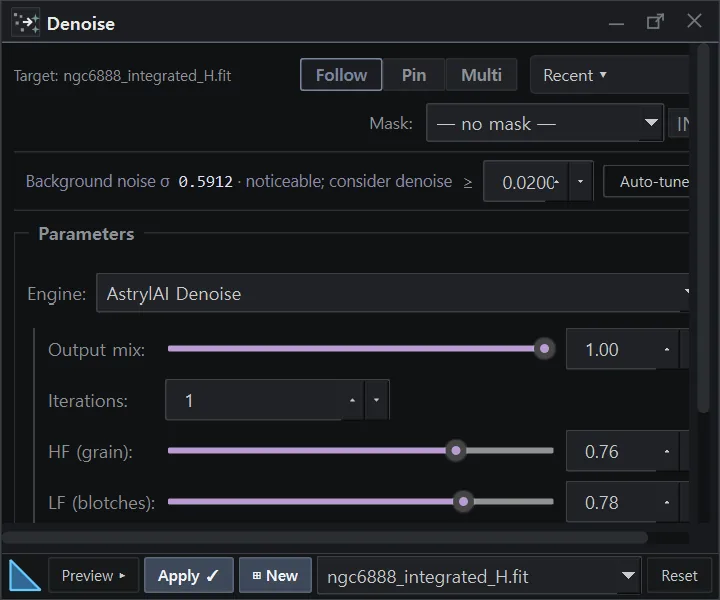
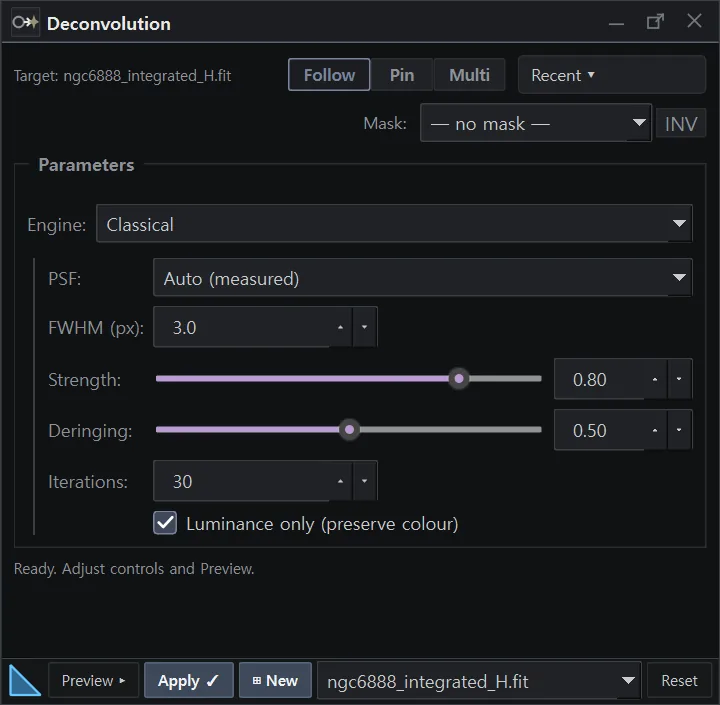
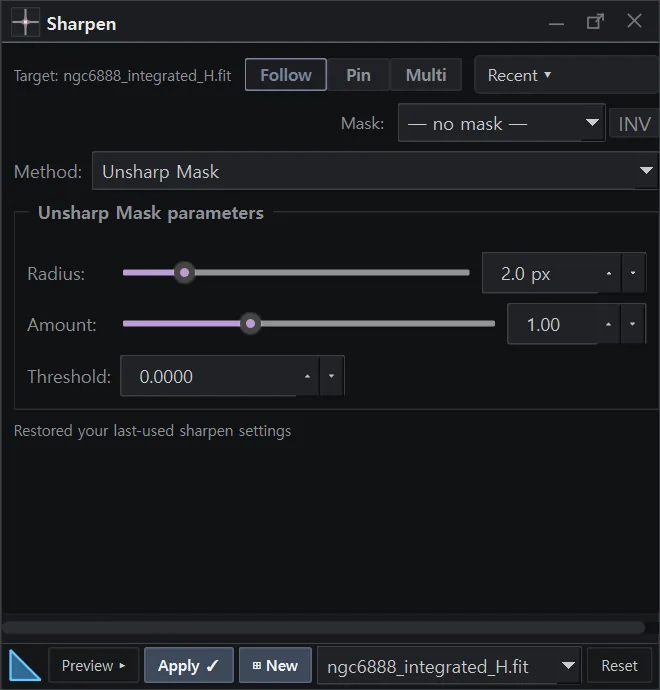
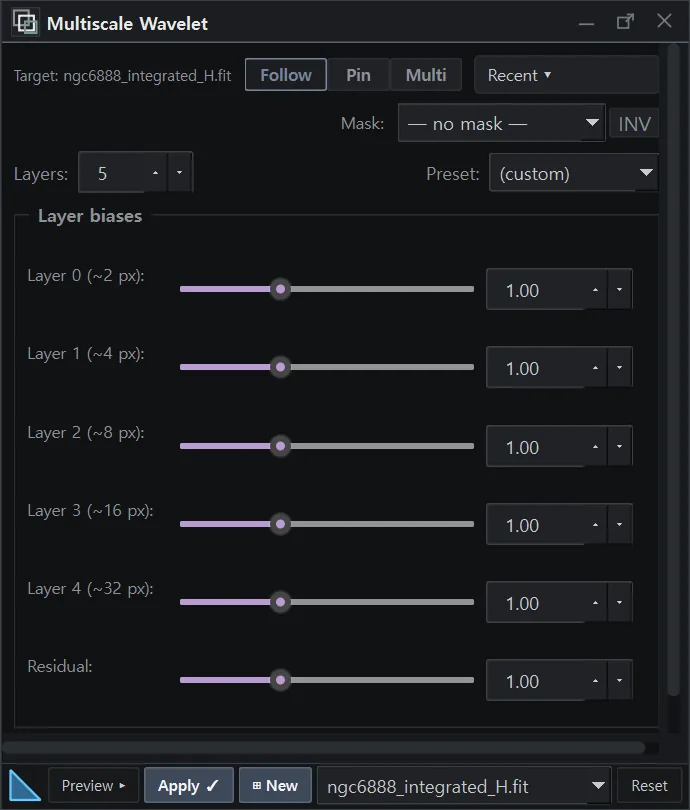
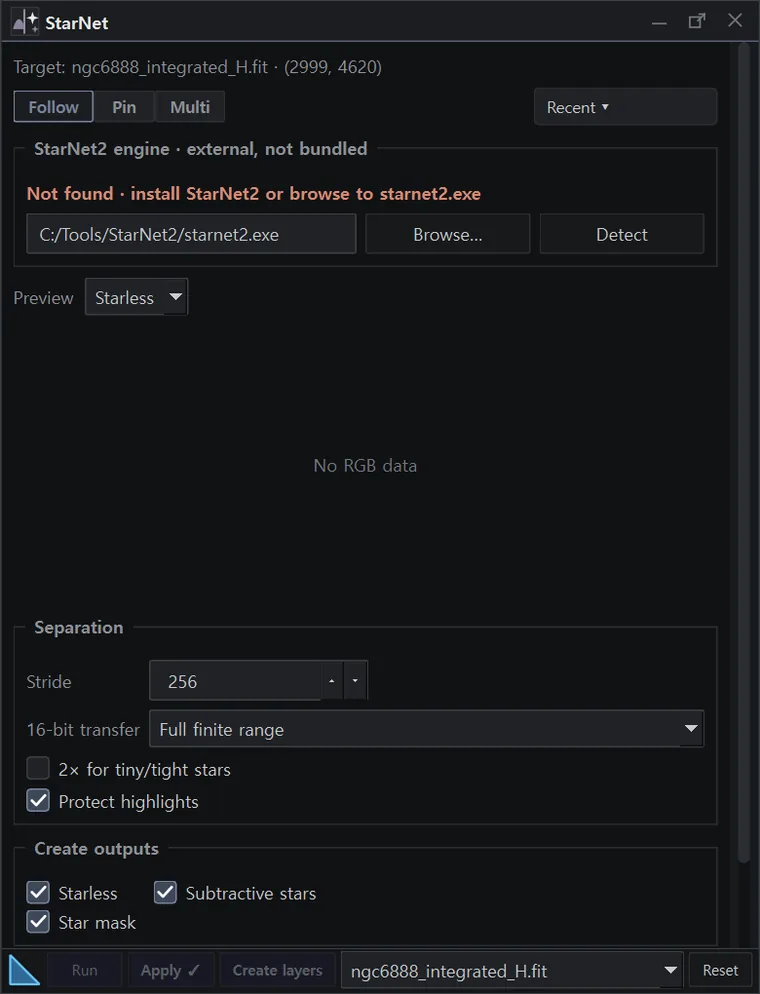
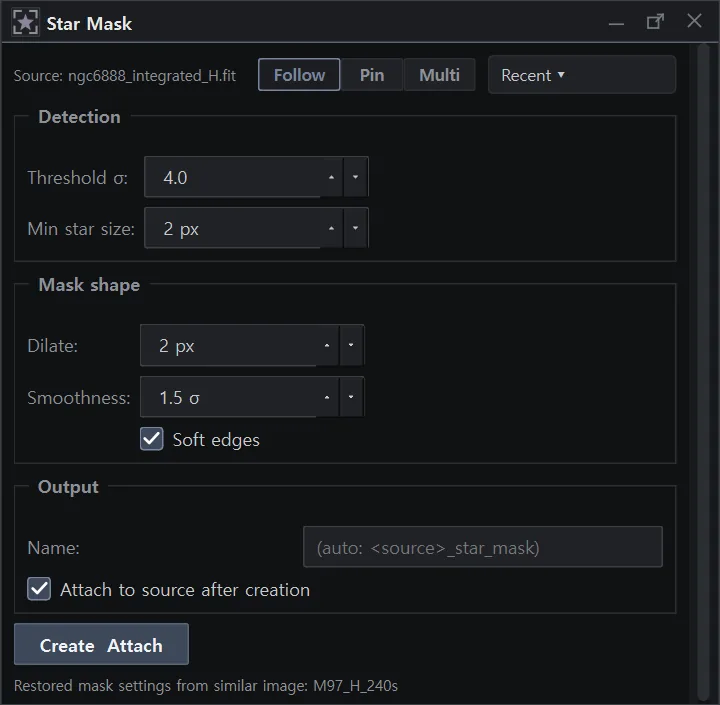
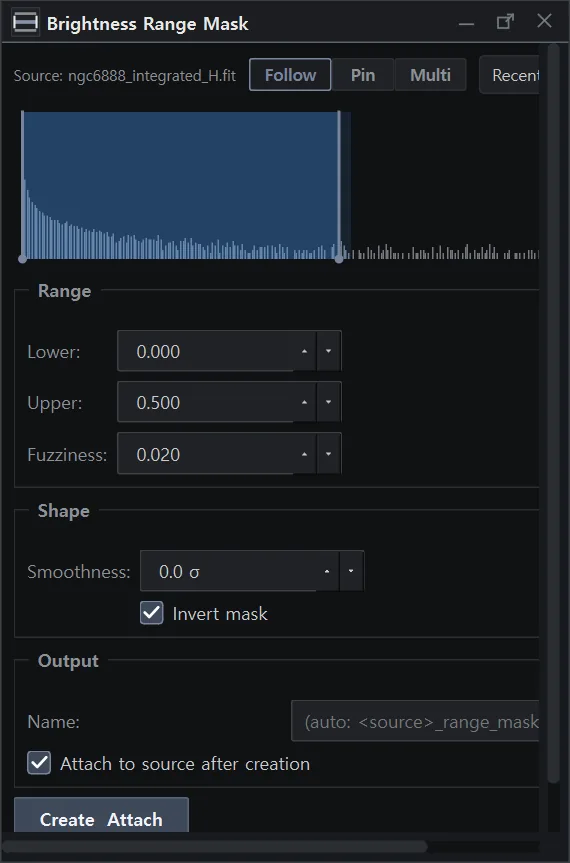
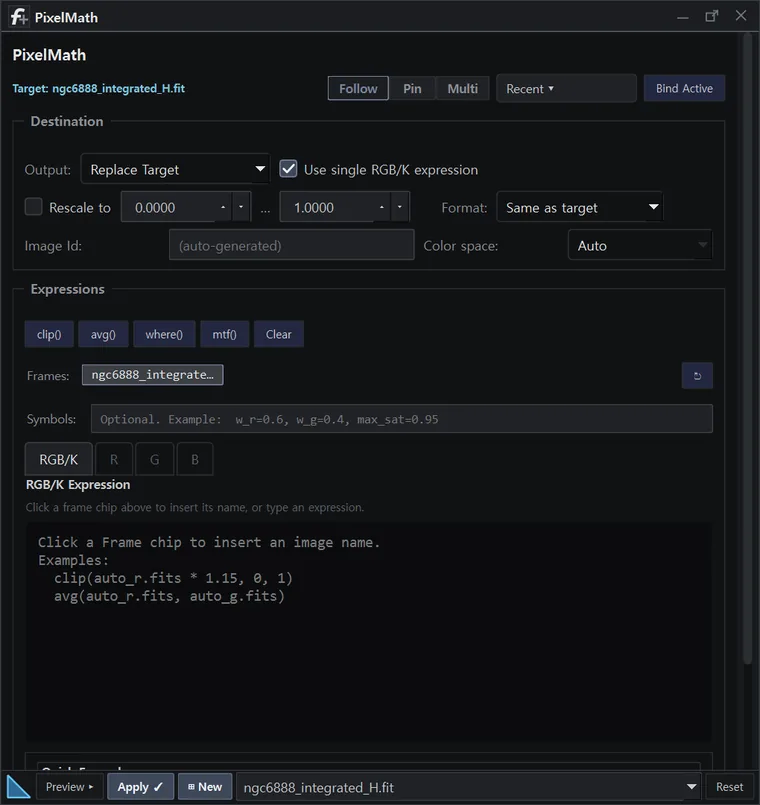
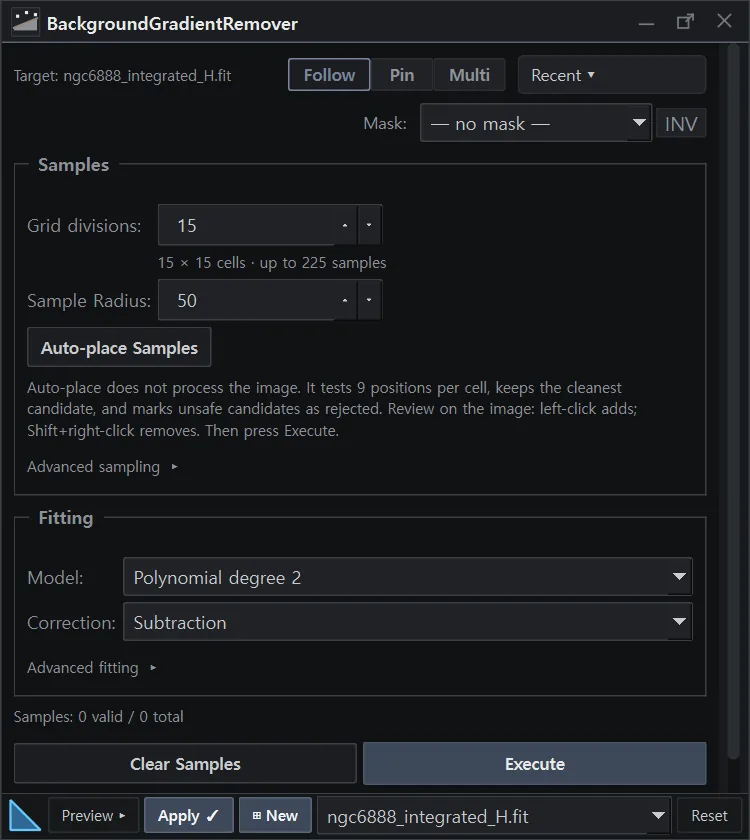
Post-processingBackground extraction, colour and photometric colour calibration, histogram transformation, curves, denoise, sharpen, saturation, SCNR, multiscale, PixelMath, star and range masks, morphology.
Network useUpdate check, Gaia catalogue download, licence sign-in. No image data is transmitted.
LogsWritten locally to %APPDATA%\AstrylStudio\logs\. Help ▸ Export Diagnostics bundles them for a bug report; the bundle deliberately excludes your session and licence files.